JTheta.ai

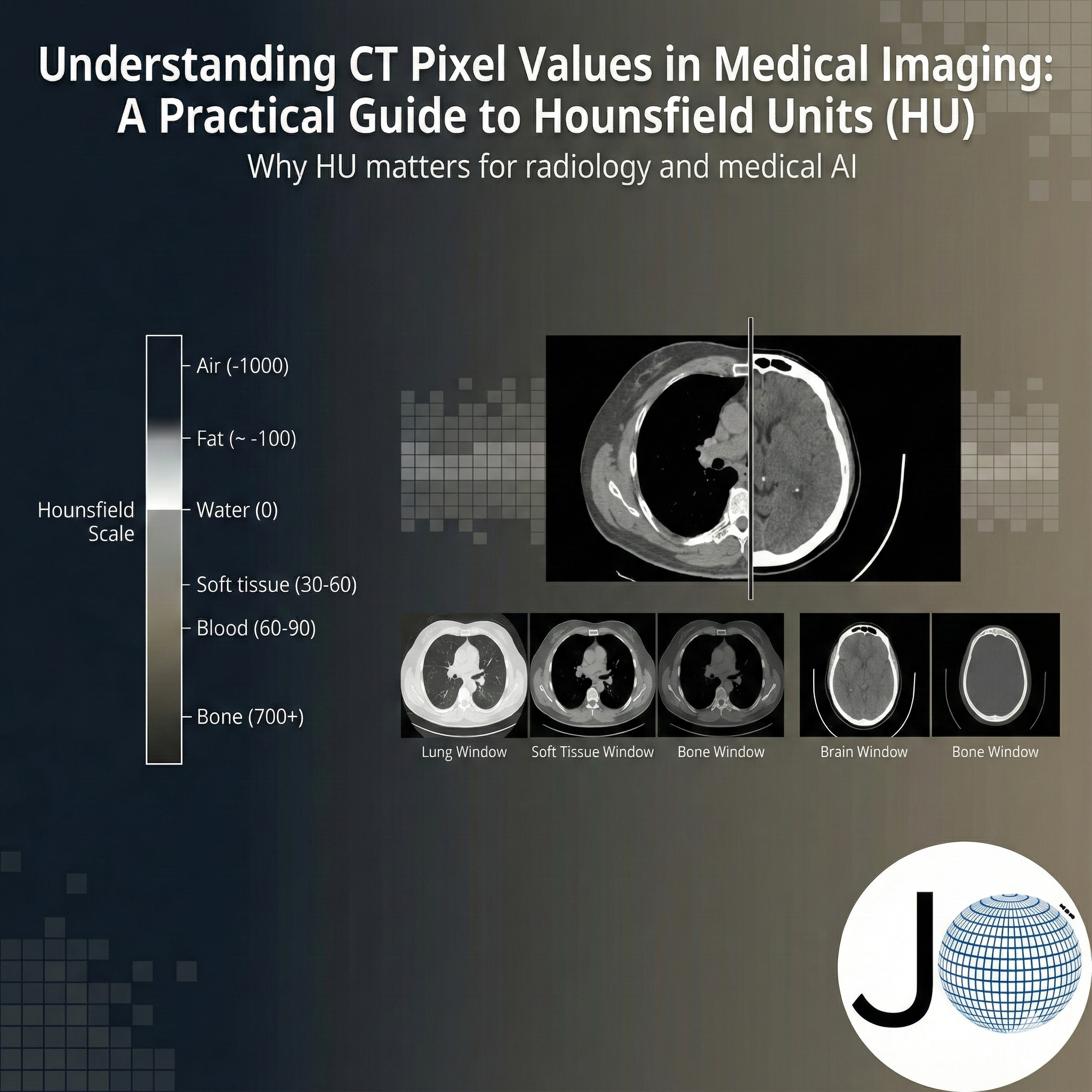
Understanding CT Pixel Values in Medical Imaging: A Practical Guide to Hounsfield Units (HU)

Computed Tomography (CT) images encode tissue density using Hounsfield Units (HU), a standardized scale critical for radiology and medical AI. This guide explains how CT pixel values are converted to HU, why HU consistency matters for clinical interpretation and AI model training, and how HU-aware workflows enable reliable, scanner-agnostic CT analysis.

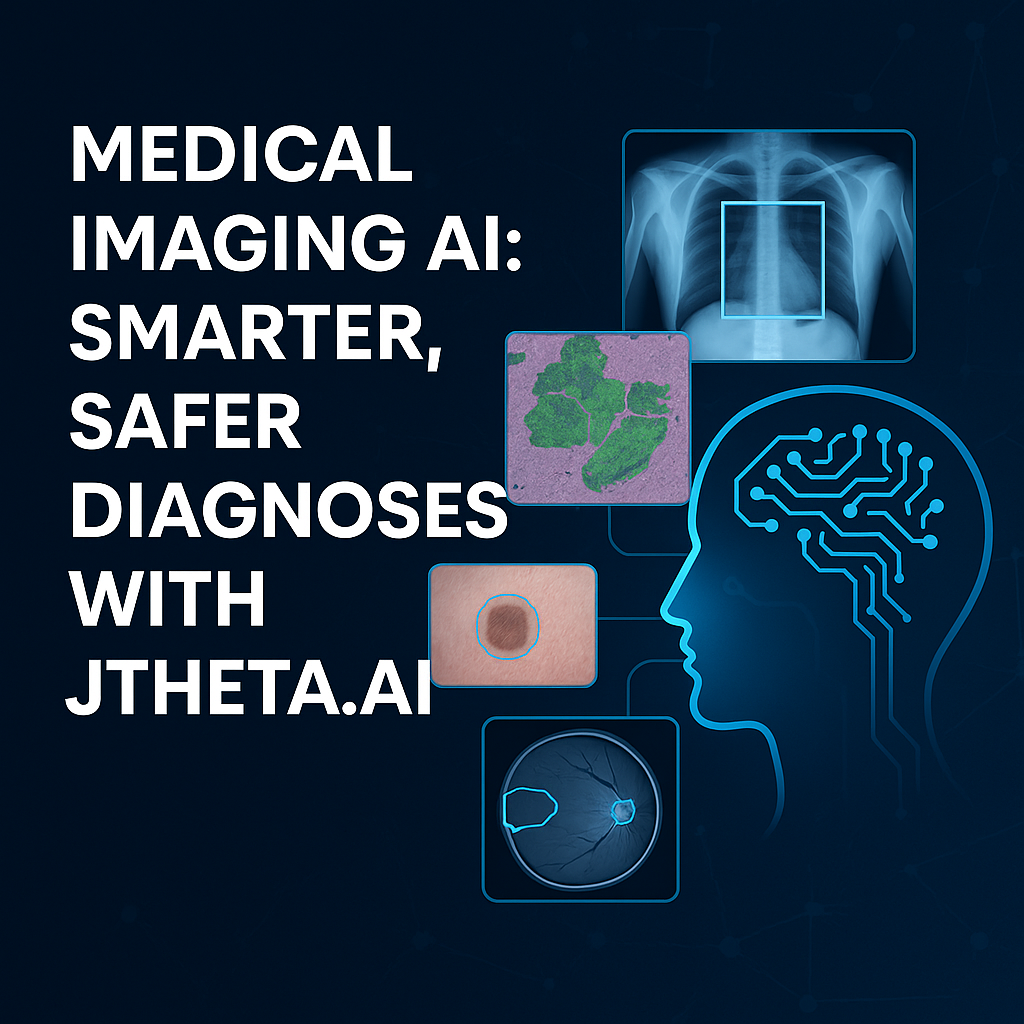
Medical Imaging AI: Smarter, Safer Diagnoses with JTheta.ai

The future of healthcare depends on how accurately we can interpret medical images. As AI-driven diagnostics become mainstream, the need for precise, clinically-aligned medical image annotations is more important than ever.

At JTheta.ai, we combine medical expertise, AI-assisted tools, and secure workflows to help healthcare teams build trustworthy AI models — faster and with higher accuracy.

Medical Image Annotation: Powering the future of AI in Healthcare

Introduction
Medical image annotation is one of the most critical building blocks in healthcare AI. By labeling X-rays, CT scans, MRIs, and pathology slides, we create training datasets that help AI models detect diseases, predict outcomes, and assist doctors with faster, more accurate decision-making.

🔹 Uses of Medical Image Annotation

Early Disease Detection

Annotated scans help AI models recognize early signs of pneumonia, lung cancer, fractures, and other critical conditions.

Tumor Segmentation & Treatment Planning

By marking tumor boundaries in MRI or CT scans, annotations guide oncologists in radiation therapy and surgery planning.

Organ and Tissue Mapping

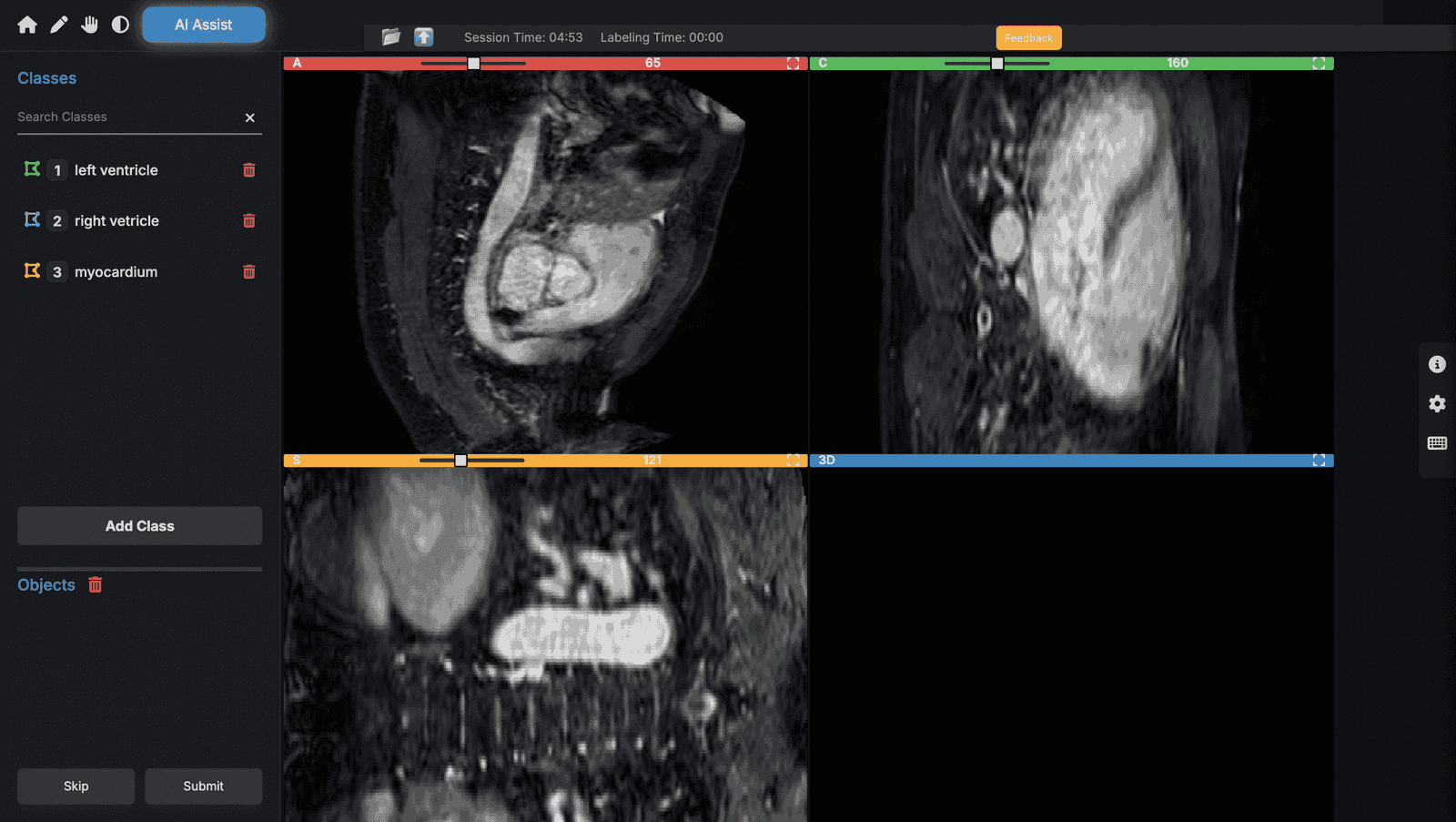
Accurate delineation of organs supports 3D reconstructions for surgical simulations and robotic-assisted procedures.

Pathology & Cell Analysis

Annotating cells and tissues in microscopic slides helps AI models detect anomalies like abnormal cell growth.

Medical Research & Drug Development

Annotated datasets enable researchers to understand disease progression and evaluate drug responses more effectively.